
Mobile phone: 18815239758 (same as WeChat)
Phone: 0576-89881178
Phone: 0576-89825885


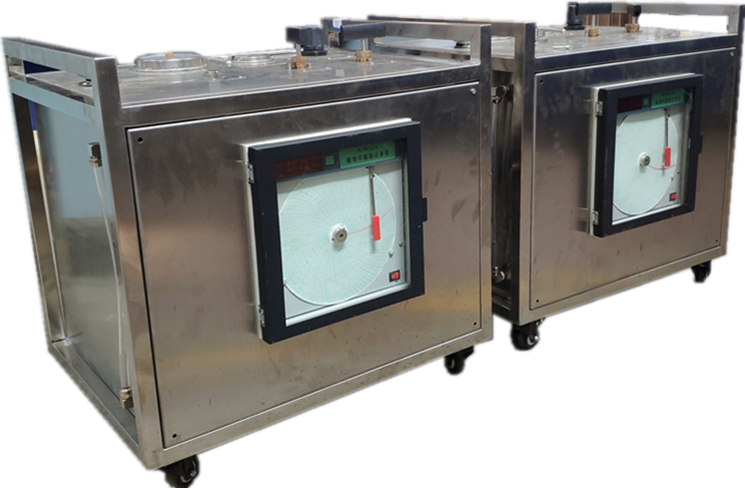
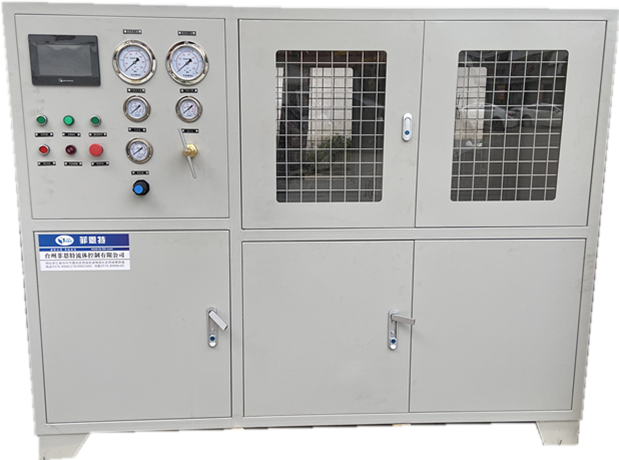
The water pressure testing equipment produced by our company mainly includes two types: pressure test bench and blasting test bench. The structure and control methods of the tested parts (pressure resistant products such as pipelines, valves, pressure vessels, shells, etc.) are divided into three types: simple control type (excluding blasting box), manual control type (pressure controller can be selected), and computer control type (split type). Pressure can be tested in various ways - we can use a disc recorder to record the relationship between pressure and time.
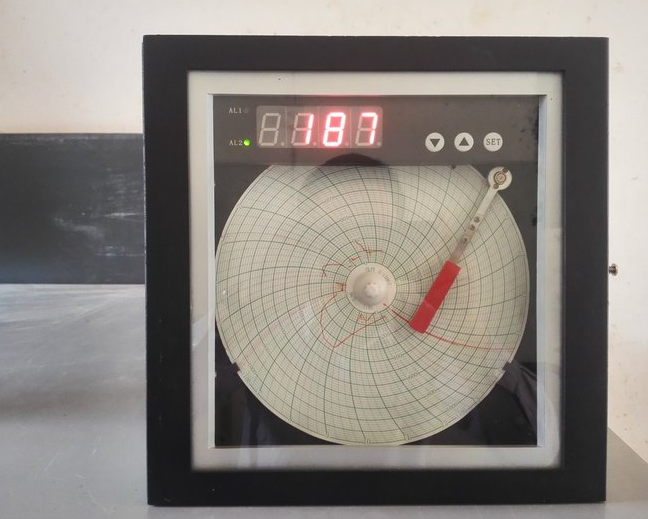
The accuracy level of the disc pressure recorder is 1.5, and its measurement range is 0-250MPa. The YTL-610/130 single support disc chart pressure recorder can continuously record time for one week, with a recording paper speed of 1 revolution/24 hours and an interface of M14X1.5
The disc pressure recorder belongs to the mechanical energy recorder, consisting of a measuring mechanism and a recording mechanism
2、 System features
1. Advanced technology, reasonable structural design, with the characteristics of small size, light weight, and beautiful appearance;
2. All pressure bearing parts are made of internationally renowned brand standard parts, with no welding connections, easy disassembly, high safety factor, long service life, and easy maintenance;
3. Data collection: Professional pressure and temperature collection software, and display curves (computer category);
3、 Main technical parameters
1. Hydraulic testing equipment, driving pressure range: 0.3-0.8Mpa; And the output pressure is proportional to the driving air pressure
2. Maximum gas consumption: 1Nm3/min
3. Pressure testing range: 0-320Mpa, select the corresponding pressure according to the actual needs of the customer
4. Working medium: water Hydraulic oil, emulsion, etc
5. Pressurization rate: less than or equal to 5 Bar/s
6. Power supply voltage: AC 220V
4 Scope of application
1. The hose water pressure testing equipment can be used for static and dynamic testing of industrial product accessories after maintenance, and safety valve calibration
2. Bubble test in water for valves and wellhead equipment
3. Automotive brake system testing
4. Testing of high-pressure gas systems and instruments
5. Demineralization processes, such as reverse osmosis and desalination, provide pressure for testing or calibrating natural gas components
6. Coal mine pressure boosting system (explosion-proof field)
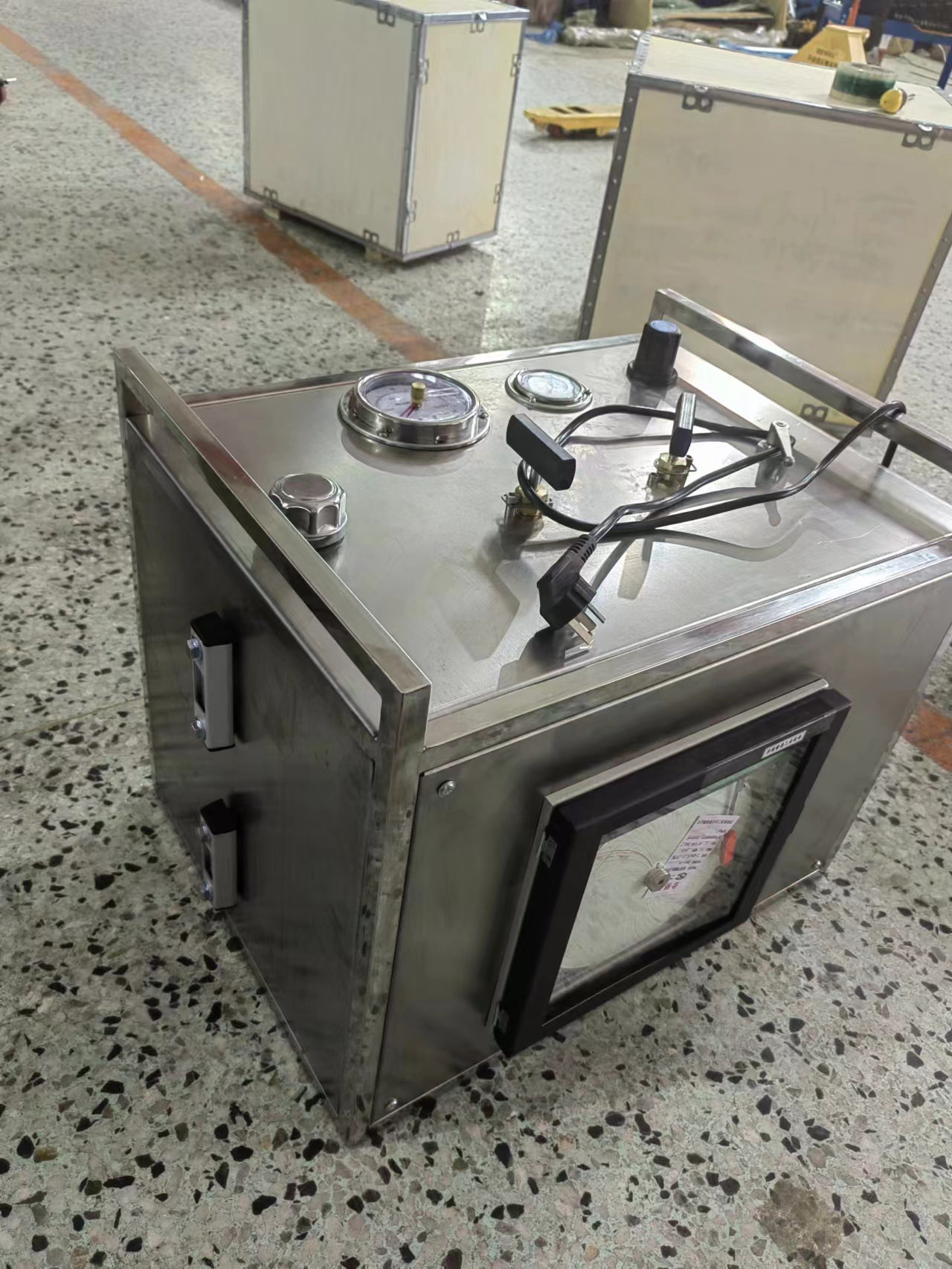 Disc recorder water pressure test bench
