
Mobile phone: 18815239758 (same as WeChat)
Phone: 0576-89881178
Phone: 0576-89825885


How to perform airtightness testing on high-voltage equipment?
High voltage equipment is usually used under very high pressure, and manufacturers conduct pressure resistance testing, air tightness testing, and testing before leaving the factory. Below, the editor will introduce two commonly used and simple methods.
Pressure drop detection method: This detection method generally requires customizing a Feentor airtightness detection table, which includes functions such as setting the online detection pressure, holding time, lower limit pressure, automatic unloading, etc. Its core component is ZTD or ZTT pneumatic booster pump, which boosts the original air or other gases to high pressure equipment to detect pressure or use pressure holding, and checks whether it falls outside the set lower limit pressure after a certain period of time. High voltage equipment has a certain pressure attenuation value, and any value higher than the specified value is considered unqualified and indicates leakage.
Bubble detection method: This airtightness detection method generally uses a Feentor gas booster pump as the power source, injects high-pressure gas into the high-pressure equipment, and uses a brush to slowly rinse the part that comes into contact with the high-pressure gas with soapy water to see if bubbles emerge. This method of detection is not very accurate, time-consuming and laborious, and incomplete water cleaning can have an impact on the equipment.
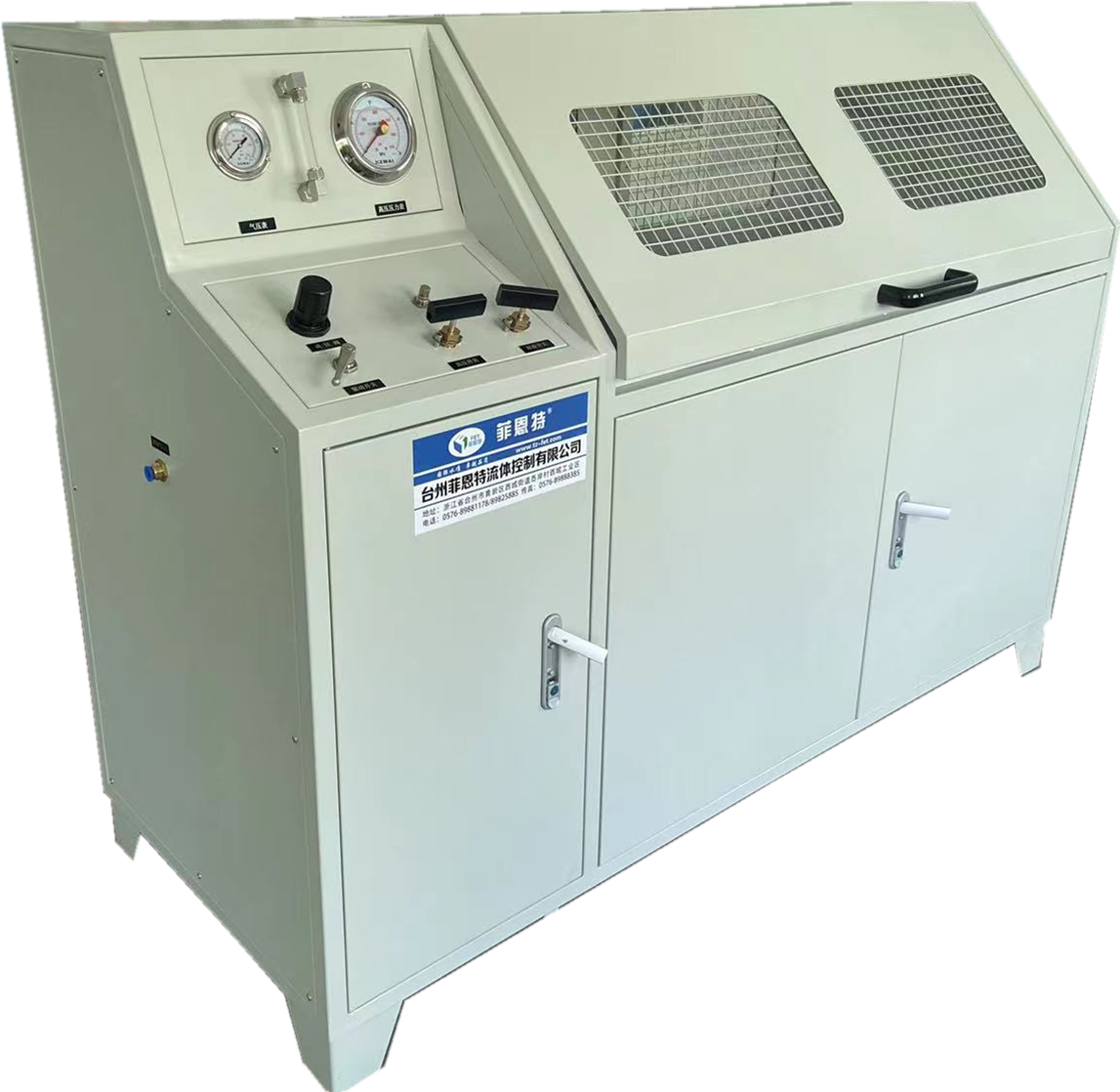
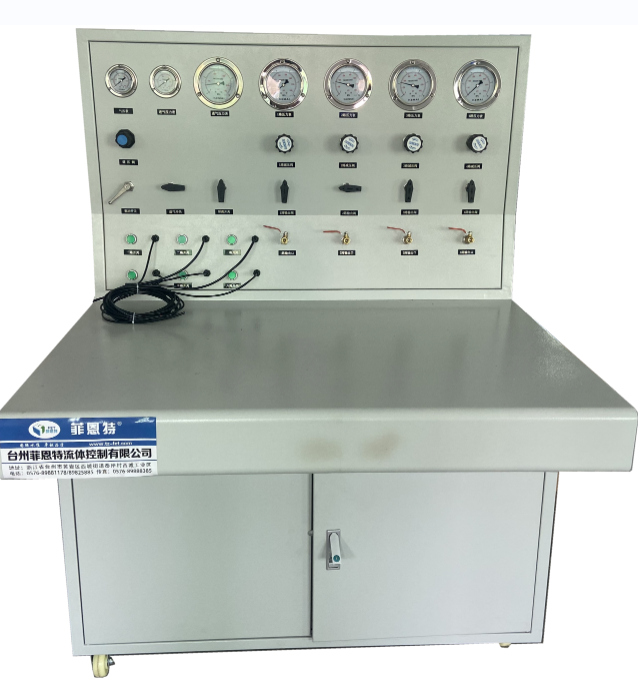
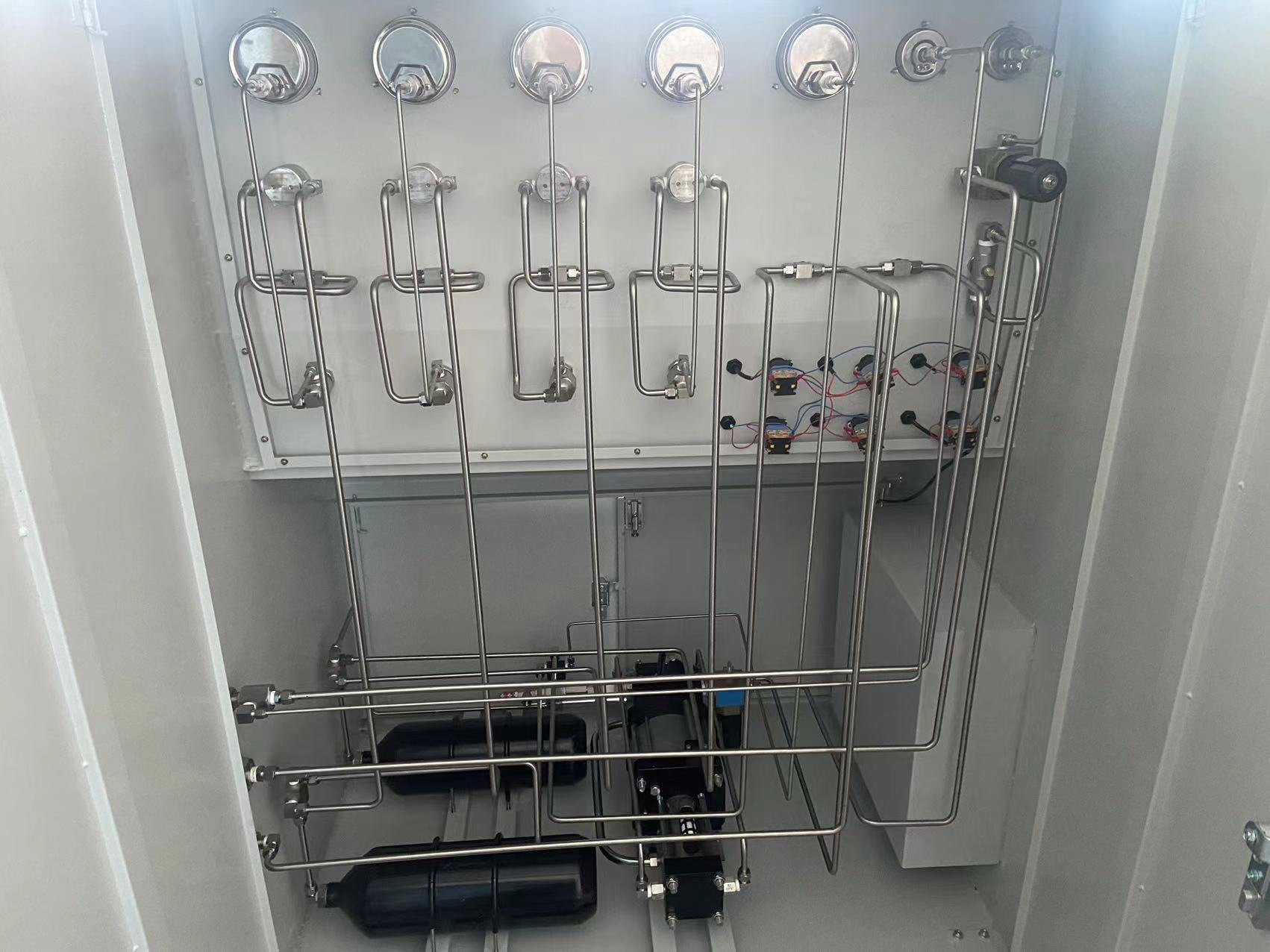 Airtightness testing equipment
