
Mobile phone: 18815239758 (same as WeChat)
Phone: 0576-89881178
Phone: 0576-89825885


The influence of the size of the piston in the driving cylinder of the gas booster pump on the flow rate
The cylinder diameter of a booster pump is generally divided into the following commonly used specifications for pneumatic booster products: 60mm, 80mm, 160mm
The boost ratio of a booster pump is formed by the ratio of the diameter of the piston inside the driving cylinder to the piston inside the booster cylinder. For example, the piston of a gas booster pump is 160mm, and the diameter of the booster piston is 80mm. The area ratio of the driving piston to the booster piston is 2:1, which means that when the driving cylinder is driven by a 6bar gas, if the output pressure is to be balanced, the small piston (booster piston) needs to have a larger air pressure to be balanced, which is 12bar.
If the driving pressure at the customer's site is 6 bar, then the output end needs to be 12 bar to stop the pump from working;
The cylinder diameter size of a gas booster pump generally affects the flow rate and has the following common characteristics:;
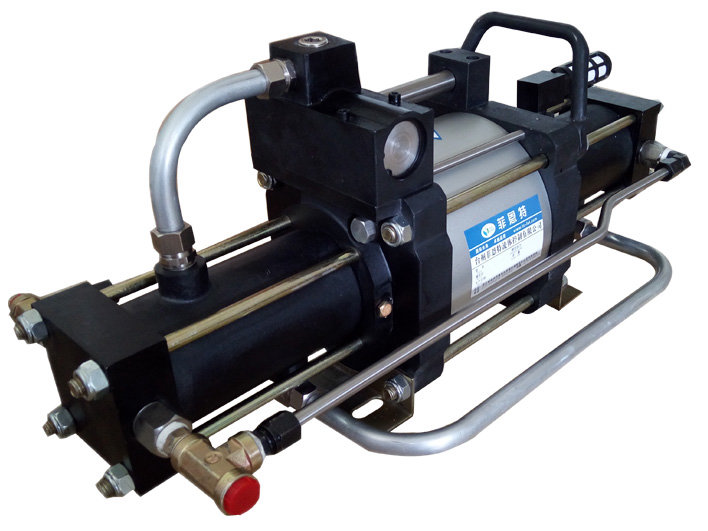
1.When the driving pressure and the inlet pressure of the pressurized gas are constant, the larger the cylinder diameter, the greater the output flow rate
2. Boosting pumps with larger cylinder diameters generally consume more air than those with smaller cylinder diameters
3. 3. Drive port for booster pump with large cylinder diameter. The diameter of the inlet and outlet of the pressurized gas is generally larger than that of the smaller cylinder diameter;
That's all for today's introduction to the cylinder diameter issue of gas booster pumps. If you need first-hand information, you can consult with Feentor sales engineers or visit our company's official website http://www.tz-fet.com/

The above content belongs to the copyright of Taizhou Feentor - Plagiarism will be prosecuted
