Mobile phone: 18815239758 (same as WeChat)
Phone: 0576-89881178
Phone: 0576-89825885


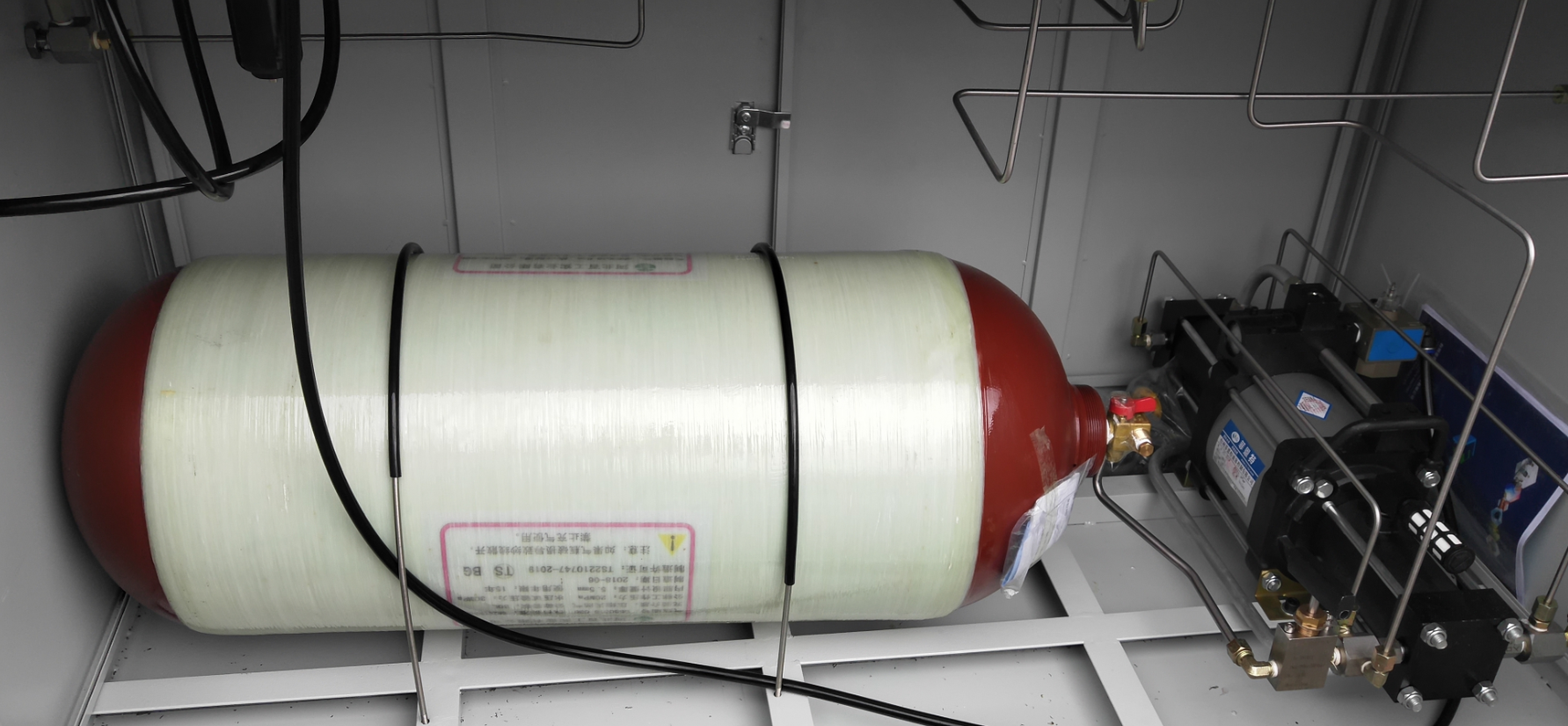
The structural design of a gas booster pump is based on compact structure, high boost ratio, oil-free, and no need for electric drive. The working principle of the booster pump is to control the direction of the compressed air inlet through a directional valve to achieve automatic operation of the booster pump. The boosting principle is that a large piston pushes low-pressure gas to a small piston to generate high-pressure gas, and the flow direction of the gas is controlled through a one-way valve.
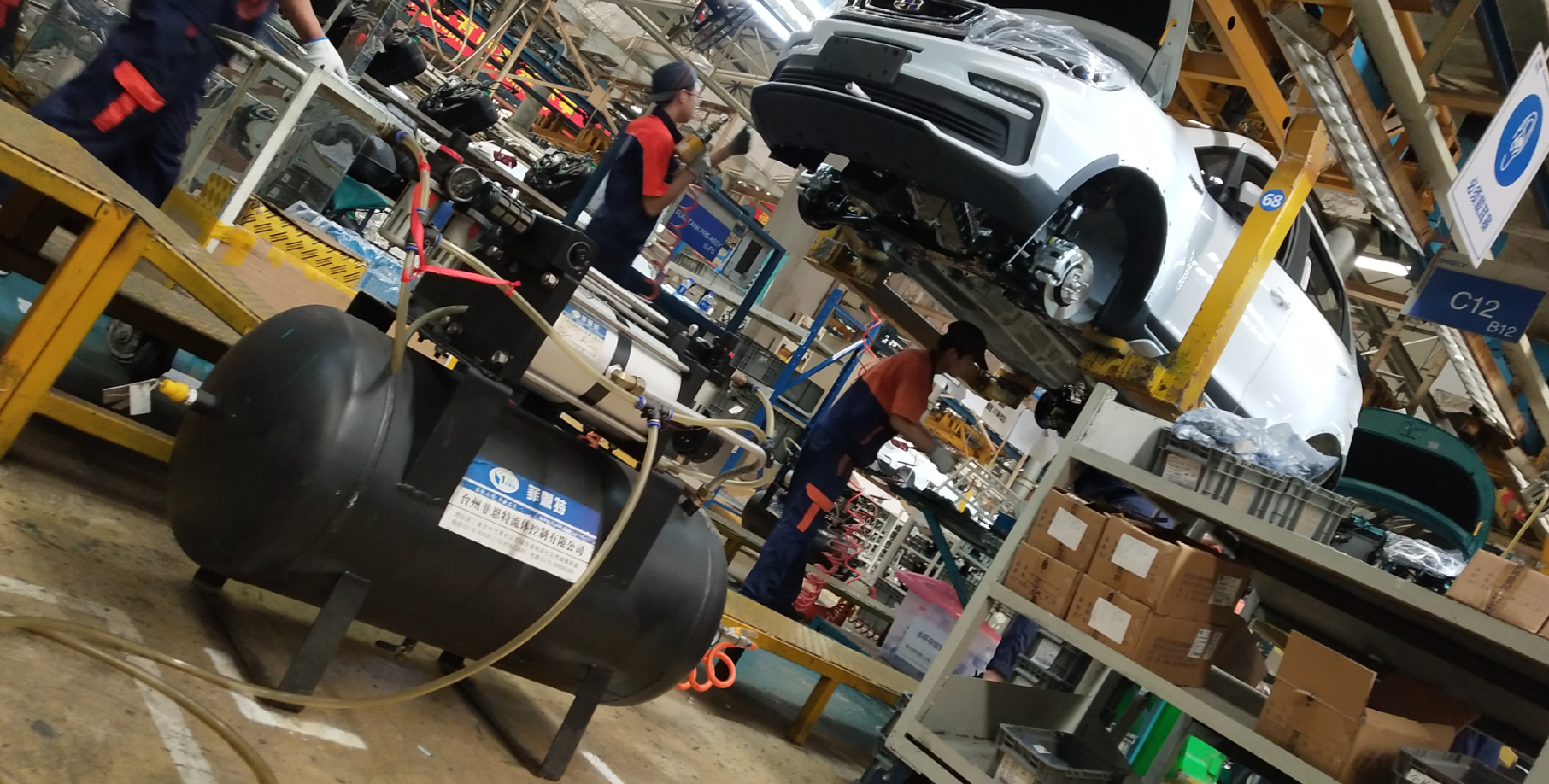
The main function of a gas booster pump is to increase the pressure of various non corrosive gases, usually for the pneumatic chuck of industrial lathes, the filling of reaction vessels, and the canning of various gases such as nitrogen and oxygen. It can also be used for laboratory experiments with high purity requirements for various gases. Used for gas pressurization in various explosion-proof places.