
Mobile phone: 18815239758 (same as WeChat)
Phone: 0576-89881178
Phone: 0576-89825885


Introduction to Airtightness Test
1、 The difference between air tightness test and air pressure test
(1) As the name suggests, the airtightness test is a type of test related to it. This type of pressure test has a wide range of applications in the industrial field, such as testing the airtightness of a pressure vessel and the sealing test of pipeline valves. The tests here have a completely different concept from air pressure testing;
(2) Air pressure testing belongs to the verification strength test. Air pressure testing is mainly used to inspect the strength and sealing of equipment, pressure volume products, and pipelines, while air tightness is used to detect small penetration defects. Air tightness testing focuses more on whether the equipment has minor leaks, while air pressure testing focuses on the overall strength of the equipment;
(3) The medium used for airtightness and air pressure testing is different. Air pressure is generally used (taking low pressure as an example), and factory compressors are usually used as the main medium. When airtightness is simple, special gases are required due to the characteristics of the tested object, such as inert gases such as argon, nitrogen, helium, etc., which may contain toxic gases;
(4) Pressure testing generally refers to the process of injecting gas into pressure vessels or other products for ultimate pressure testing (hydraulic burst). Pressure testing requires destructive experiments under conditions to obtain its ultimate value; And the airtightness testing requires carrying some complete accessories (such as exhaust valves) on the pressure vessel for airtightness testing.
(5) Airtightness testing is generally not carried out directly, but after the customer completes the water pressure or air pressure test on the pressure vessel, the airtightness test is carried out. The test pressure is generally classified as hydraulic, air pressure, and then the airtightness test is conducted;
(6) The pressure for air tightness testing is generally lower than that for air pressure testing, and the pressure for air pressure testing is generally lower than that for water pressure testing;
2、 Why do we need to conduct an air tightness test
(1) The general airtightness test is conducted for situations where hydraulic testing cannot be carried out. Due to the physical characteristics of the product and the internal structure of the equipment, liquid pressure testing is not allowed (due to concerns about liquid residue). At this time, air pressure and airtightness tests are prerequisites;
(2) Airtightness testing is aimed at detecting extremely small defects and solder joints in product design through bubble testing or pressure drop testing, which can better ensure the quality and reliability of the product; The airtightness test is generally a random inspection, while the liquid testing of the pneumatic compressor is generally a full inspection;
3、 The difference between pressure, air pressure, and liquid pressure in airtightness testing
(1) The air pressure test is generally 1.15 times the design pressure of the product
(2) The water pressure test is generally 1.25 times the design pressure of the product
(3) The airtightness is 1.05 to 1.1 times the design pressure of the product
Taizhou Feentor has mature technical experience in air tightness testing, air pressure testing, and liquid testing for customers. We can provide non-standard designs to better meet the actual needs of our customers. We welcome inquiries from everyone;
4、 Airtight equipment is divided into
Manual airtightness test bench. Computer airtightness test bench.
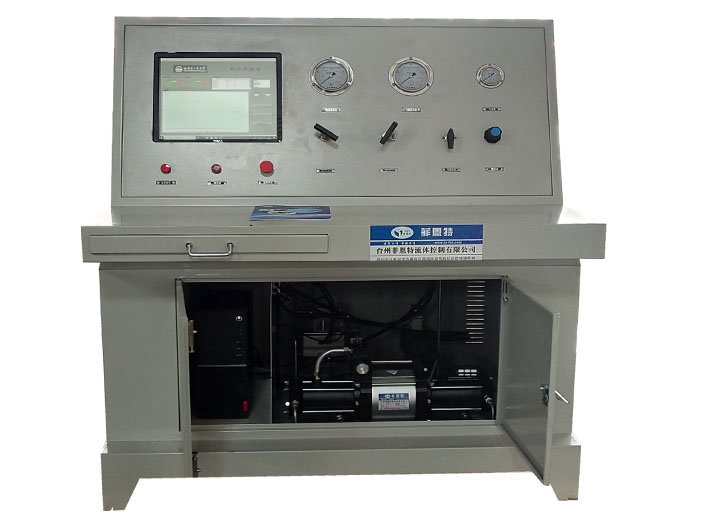
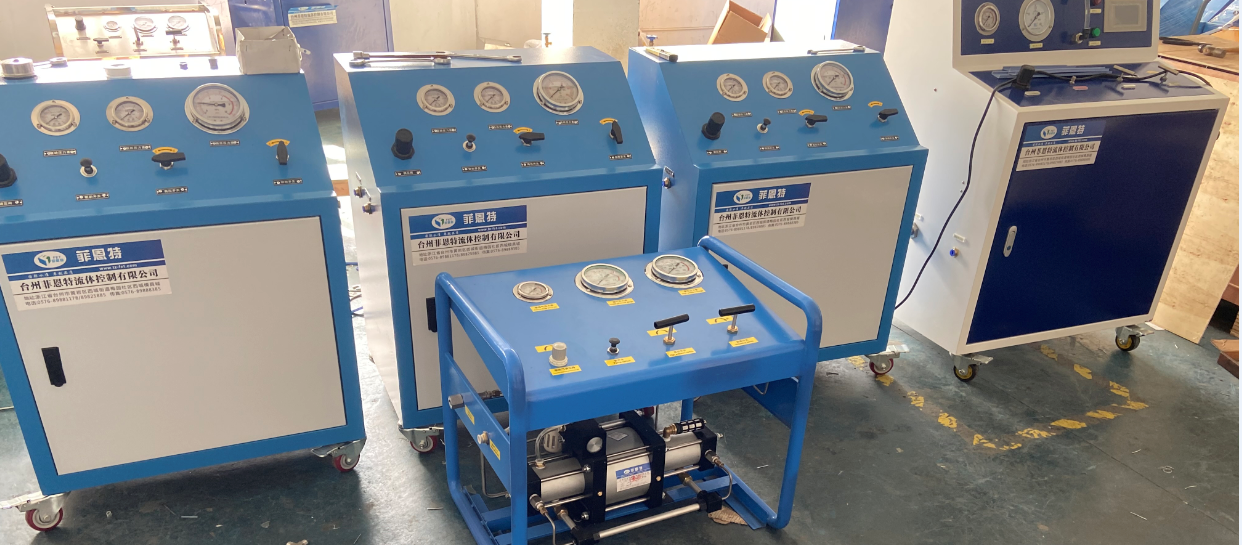 Airtightness testing equipment
Legal statement: The above content belongs to the copyright of Taizhou Feentor - Plagiarism will be prosecuted
