
Mobile phone: 18815239758 (same as WeChat)
Phone: 0576-89881178
Phone: 0576-89825885


Gas driven gas booster is a machine specially designed for gas boosting by Feentor. This product does not require electricity and only needs to be connected to the driving gas source and the boosted medium to test the pump's self boosting during use and operation. By adjusting the driving gas source, the output pressure can be adjusted, and the output pressure is related to the multiple of the driving gas source. According to customer pressure and mining requirements, it is divided into single head gas booster, double head gas booster, and two-stage booster. For details, please click on the gas booster pump model and parameter introduction
A gas booster, also known as a gas amplifier or gas booster pump, is a suitable choice for maintenance. Today, let's take a look at how to maintain our own pneumatic booster? Firstly, when operating a gas driven gas booster, the following three points should still be achieved. Listen, look, and make sure.
Listen, we can check if there are any abnormalities in the working sound of the machine, whether there is a dull or weak working sound, or if there is a cylinder collision phenomenon when the machine is working. If there are any abnormalities, they should be promptly eliminated.
Secondly, it is necessary to check whether there are too many impurities on the site of the booster pump (there are breathing holes on the side of the booster pump), the gas source on site, and whether the driving gas and inlet pressure on site meet the requirements of the pump.
Ensure that the selected flow rate can keep up with the operating requirements, and ensure that the paired binary system has oil (which is used to lubricate the directional valve and drive chamber) that will not contaminate the boosting chamber. Ensure that the pipeline valve connections for the high-pressure output of the gas booster meet the rated output pressure of the booster.
The advantages of gas booster are reflected in its small size, simple maintenance and operation. One of its major features is that it can be used for boosting in places that require high pressure. It can be used for high-pressure fluid output and chemical reaction testing. If you need relevant information, please refer to www.tz-fet.com for first-hand information.
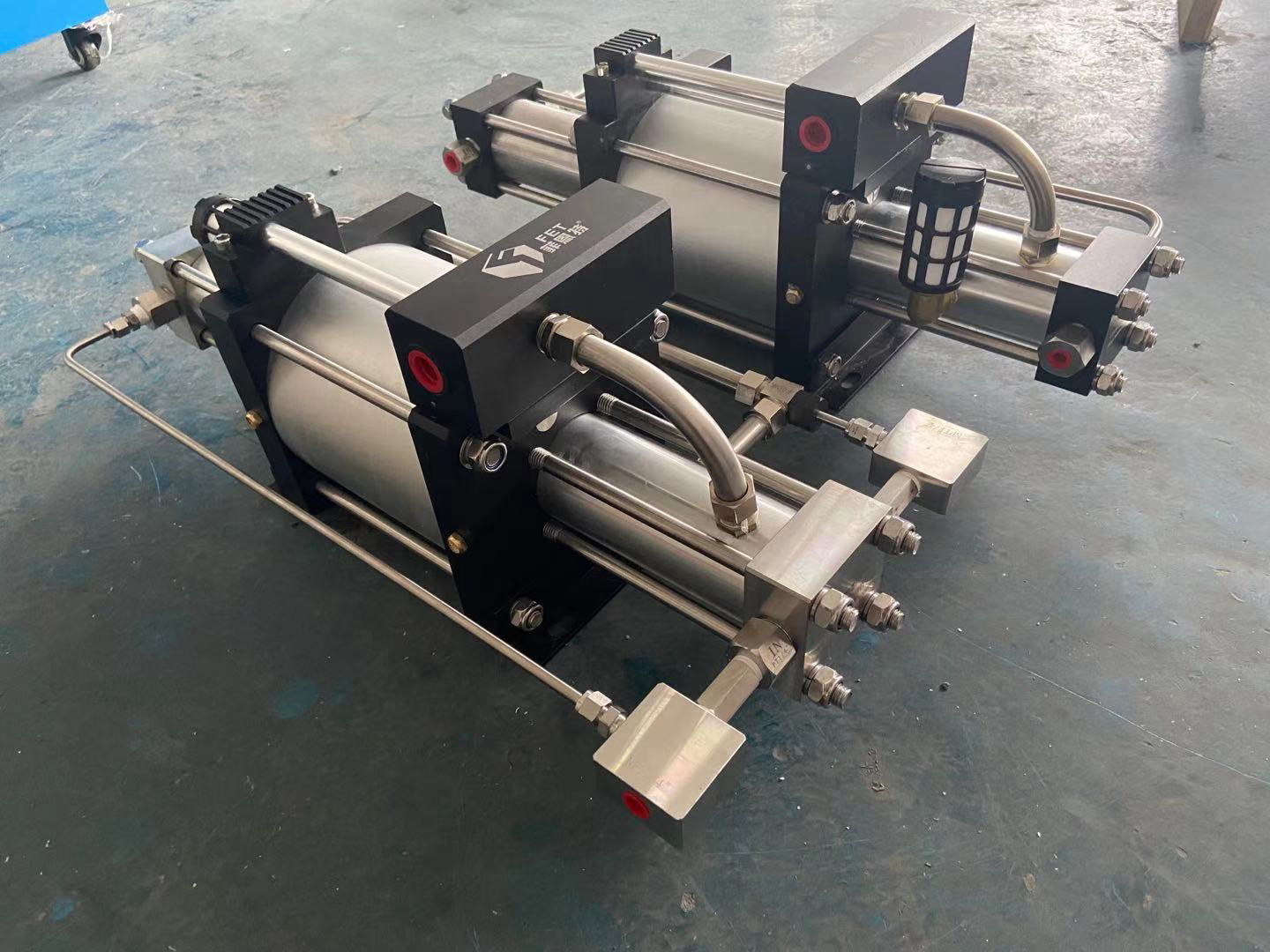
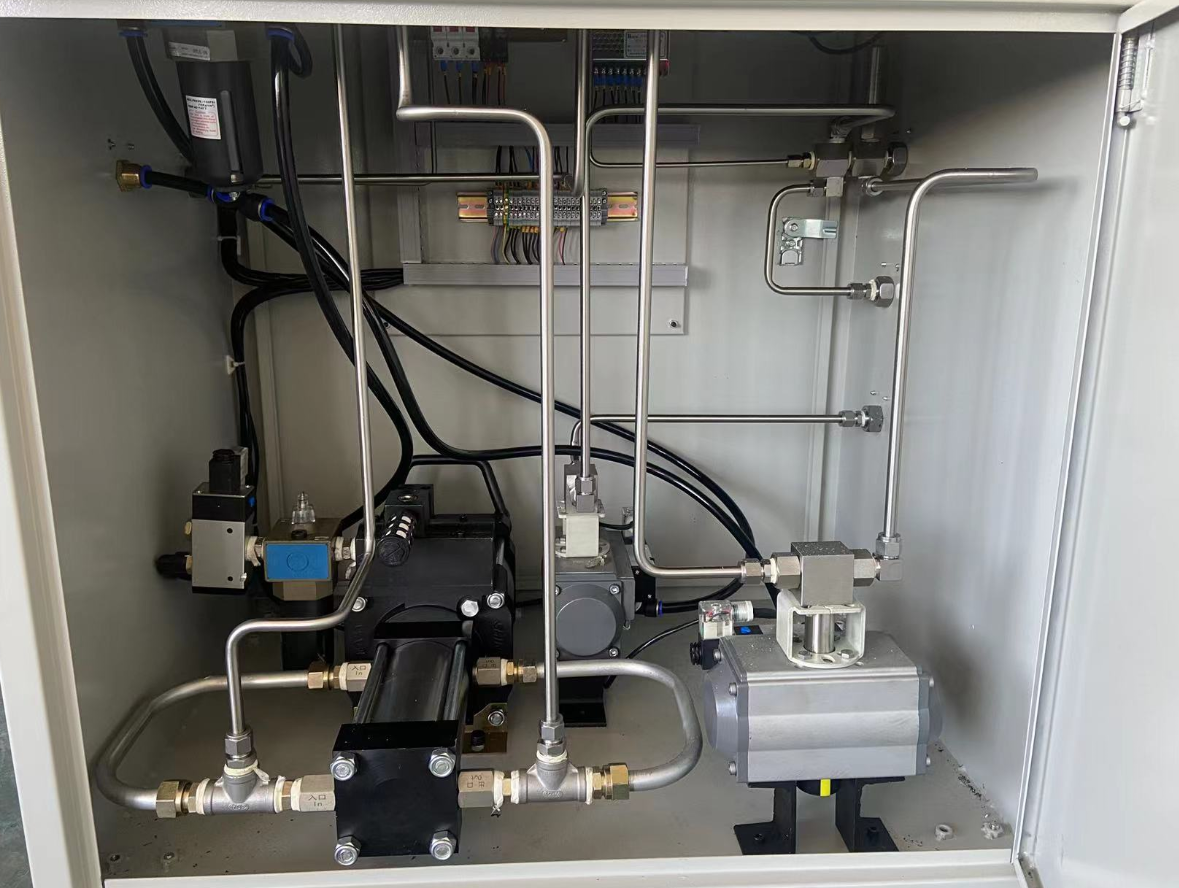 Gas booster
