Mobile phone: 18815239758 (same as WeChat)
Phone: 0576-89881178
Phone: 0576-89825885


Do you know the working principle and installation standards of pneumatic booster valves?
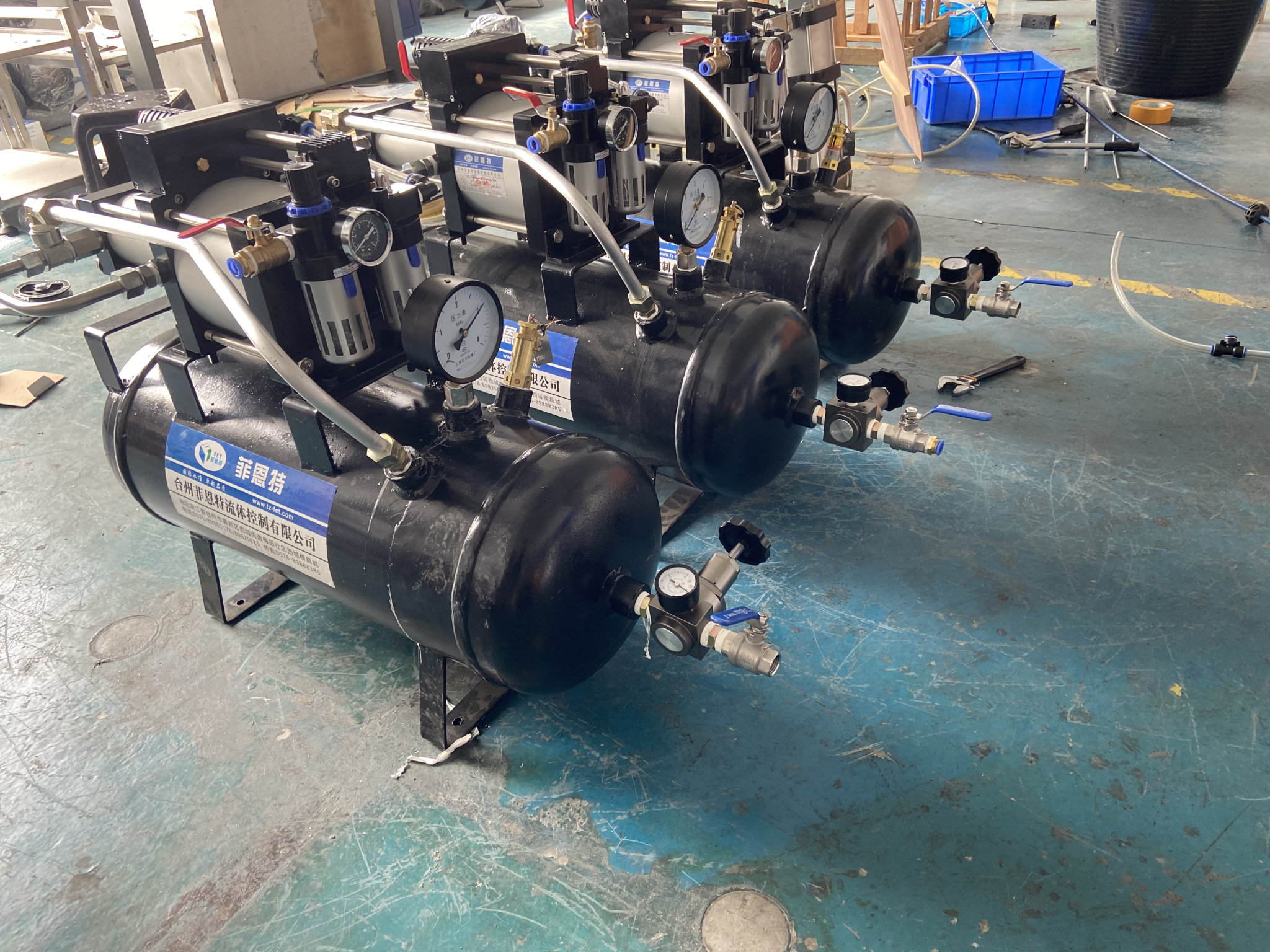
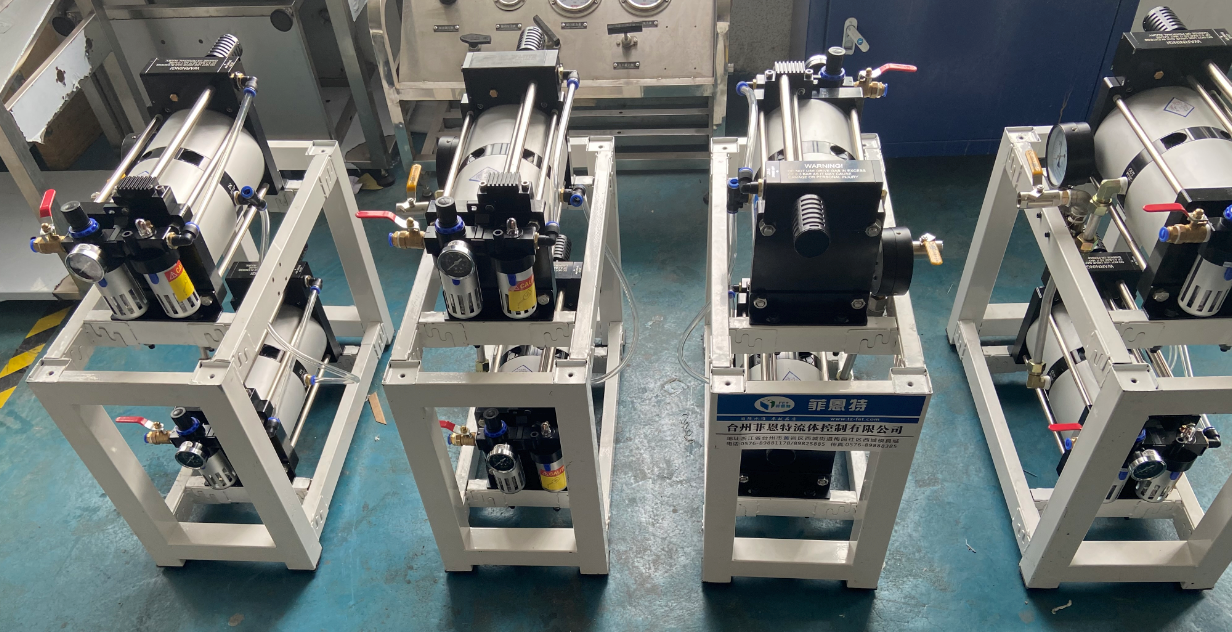
The professional name of pneumatic booster valve is pneumatic gas booster pump, which is mostly used for fluid control boosting. Pneumatic pressure boosting valves can be classified into low pressure, medium pressure, high pressure, and ultra-high pressure according to the pressure after boosting, making them applicable to various pressure fields and achieving their working purposes.
Working principle of pneumatic booster valve:
The pneumatic booster valve uses a certain pressure of gas as a power source (such as compressed air, nitrogen, hydrogen, and other non corrosive gases with a certain pressure) to push the large piston to compress the pressurized medium inside the small piston to generate high pressure. The control core components are the directional valve and one-way valve. The directional valve controls the piston of the booster pump to move back and forth to achieve continuous boosting effect. The one-way valve controls the pressurized medium to prevent backflow and achieve the effect of boosting and maintaining pressure. When the small piston pressure of the booster cylinder and the large piston pressure of the drive cylinder reach equilibrium, the pneumatic booster valve stops working (the law of conservation of force). At this time, there is no energy consumption. When the pressure of the boosted medium is consumed, the low-pressure large piston pressure is automatically started by the booster pump to supplement pressure and maintain a constant output pressure. The pressure ratio of a pneumatic booster valve is a multiple of the driving force, not a multiple of the pressurized medium. Please distinguish it clearly.
Installation standards:
When installing, the corresponding accessories should be matched according to the peak pressure of the medium after the pneumatic booster valve is pressurized. When the pressure exceeds a certain range, the connection method should also be changed. For example, if the nut type joint is below 32MPa, it can be used directly, and if it exceeds 32MPa, a reverse screw nut type joint should be used for safety reasons. When installing a pneumatic booster valve, it is important to pay attention to the surrounding environment and try to install it in a well ventilated, dry, dust-free, and away from direct sunlight and rain. The drive pipeline must have sufficient consumed air source to prevent the insufficient consumption of the drive air source, which may lead to a decrease in the flow rate of the pressurized medium. Newly opened gas pipelines should be equipped with filters to prevent impurities from entering the pneumatic booster pump. When there is a large amount of water vapor in the gas source pipeline, it must be dried before entering the booster pump. If conditions permit, vertical installation can extend its service life appropriately.
The selection and installation of pneumatic booster valves are very important. Please contact Feentor sales engineers before purchasing or installing them. Or visit the official website www.tz-fet.com for online inquiries.